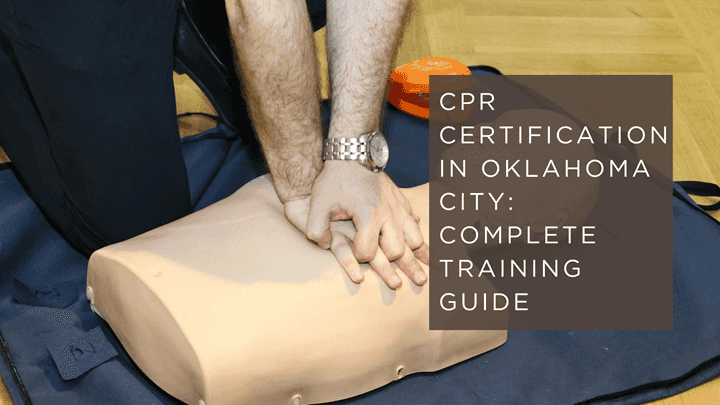
CPR Certification in Oklahoma City: Complete Training Guide
Looking for CPR certification in Oklahoma City? Learn about BLS, ACLS, and PALS certifications and how to choose the right life-saving course.
Emergencies can happen anywhere—at home, at work, or in public spaces. Knowing how to respond in those critical moments can save lives. That’s why CPR certification in Oklahoma City has become increasingly important for healthcare professionals, educators, caregivers, and everyday citizens alike. Whether you’re entering the medical field or renewing a required credential, understanding your certification options is essential.
This guide breaks down the most common life-support certifications, including Basic Life Support (BLS), Advanced Cardiovascular Life Support (ACLS), and Pediatric Advanced Life Support (PALS), and explains who should take each course.
Why CPR Certification Matters
Cardiac arrest and respiratory emergencies require immediate action. CPR and advanced life-support skills help maintain blood flow and oxygen until advanced medical care arrives. In Oklahoma City, CPR certification is often required for:
- Healthcare and medical professionals
- Teachers and school staff
- Childcare providers and nannies
- Fitness trainers and coaches
- Security and safety personnel
Even if it’s not required for your job, CPR training gives you the confidence to act quickly during emergencies.
CPR Certification in Oklahoma City: What to Expect
When you enroll in CPR certification in Oklahoma City, courses typically include both hands-on skills practice and knowledge-based learning. Most programs follow nationally recognized guidelines and teach:
- Adult, child, and infant CPR
- Automated External Defibrillator (AED) use
- Choking relief techniques
- Emergency response procedures
Classes are available in flexible formats, including in-person, blended, and skills-only sessions for renewals.
Basic Life Support Certification (BLS)
Basic Life Support Certification is designed primarily for healthcare providers and first responders. This course goes beyond standard CPR and focuses on team-based emergency response.
Who Needs BLS Certification?
- Nurses and physicians
- EMTs and paramedics
- Medical and nursing students
- Dental professionals
- Hospital and clinic staff
What You’ll Learn
- High-quality CPR techniques
- Two-rescuer CPR and team dynamics
- Advanced AED usage
- Airway management basics
BLS certification is usually valid for two years and is a foundational requirement for many healthcare roles in Oklahoma City.
Advanced Cardiovascular Life Support Certification (ACLS)
Advanced Cardiovascular Life Support Certification is intended for experienced medical professionals who manage cardiovascular emergencies in clinical settings.
Who Should Take ACLS?
- Physicians
- Critical care nurses
- Anesthesiologists
- Emergency department staff
Course Highlights
- Cardiac rhythm interpretation
- Pharmacology for cardiac emergencies
- Airway management and IV access
- Post-cardiac arrest care
ACLS training emphasizes critical thinking, leadership, and decision-making during high-stress medical situations.
Pediatric Advanced Life Support Certification (PALS)
Children require specialized emergency care, which is why Pediatric Advanced Life Support Certification focuses on infant and child emergencies.
Who Needs PALS Certification?
- Pediatric nurses and physicians
- Emergency medical professionals
- Pediatric specialists
- Hospital staff working with children
Key Skills Covered
- Pediatric assessment and early intervention
- Respiratory and cardiac emergencies in children
- Pediatric medication dosing
- Team communication during pediatric resuscitation
PALS certification ensures providers are prepared to handle life-threatening situations involving young patients.
Choosing the Right Certification in Oklahoma City
When deciding which certification to pursue, consider your profession, workplace requirements, and career goals. Many healthcare providers need more than one certification, such as BLS combined with ACLS or PALS.
Look for programs that offer:
- Accredited and guideline-based training
- Experienced instructors
- Convenient class schedules
- Certification cards accepted nationwide
Benefits of Getting Certified Locally
Taking CPR and life-support courses in Oklahoma City offers added advantages. Local training centers understand state and employer requirements and often provide flexible scheduling for working professionals. In-person training also allows for real-time feedback and hands-on practice, which is critical for mastering life-saving skills.
Final Thoughts
From CPR certification in Oklahoma City to advanced credentials like Basic Life Support Certification, Advanced Cardiovascular Life Support Certification, and Pediatric Advanced Life Support Certification, life-support training equips you with skills that truly make a difference. Whether you’re meeting job requirements or preparing to help in emergencies, investing in proper certification is an important step toward protecting your community.
Staying trained, confident, and prepared can mean the difference between life and loss—because when every second counts, knowledge saves lives.